 中文 Chinese

Healthcare Case Study

BACKGROUND & CHALLENGES
A district-level public hospital in Xingtai City, China implemented a smart healthcare and elderly care platform to improve patient monitoring, chronic disease management, and operational efficiency within its care center. By integrating wearable health devices with Cassia Bluetooth gateways, the hospital transitioned from manual, reactive care to a data-driven, proactive care model.
The hospital’s elderly care center serves patients with chronic conditions requiring long-term monitoring and rehabilitation. However, the traditional care model presented several limitations:
- Manual data collection led to incomplete and inconsistent patient health records
- Lack of real-time monitoring limited early detection of health risks
- High workload for medical staff due to manual data aggregation
- Limited ability to deliver personalized care and timely interventions
At the same time, the hospital had already deployed foundational systems such as electronic medical records, a telemedicine platform, and a health cloud app. However, these systems were not fully integrated for continuous patient monitoring.
SOLUTION
The hospital deployed a smart healthcare platform powered by Cassia Bluetooth IoT infrastructure, enabling continuous patient monitoring and centralized data management.
Cassia Deployment
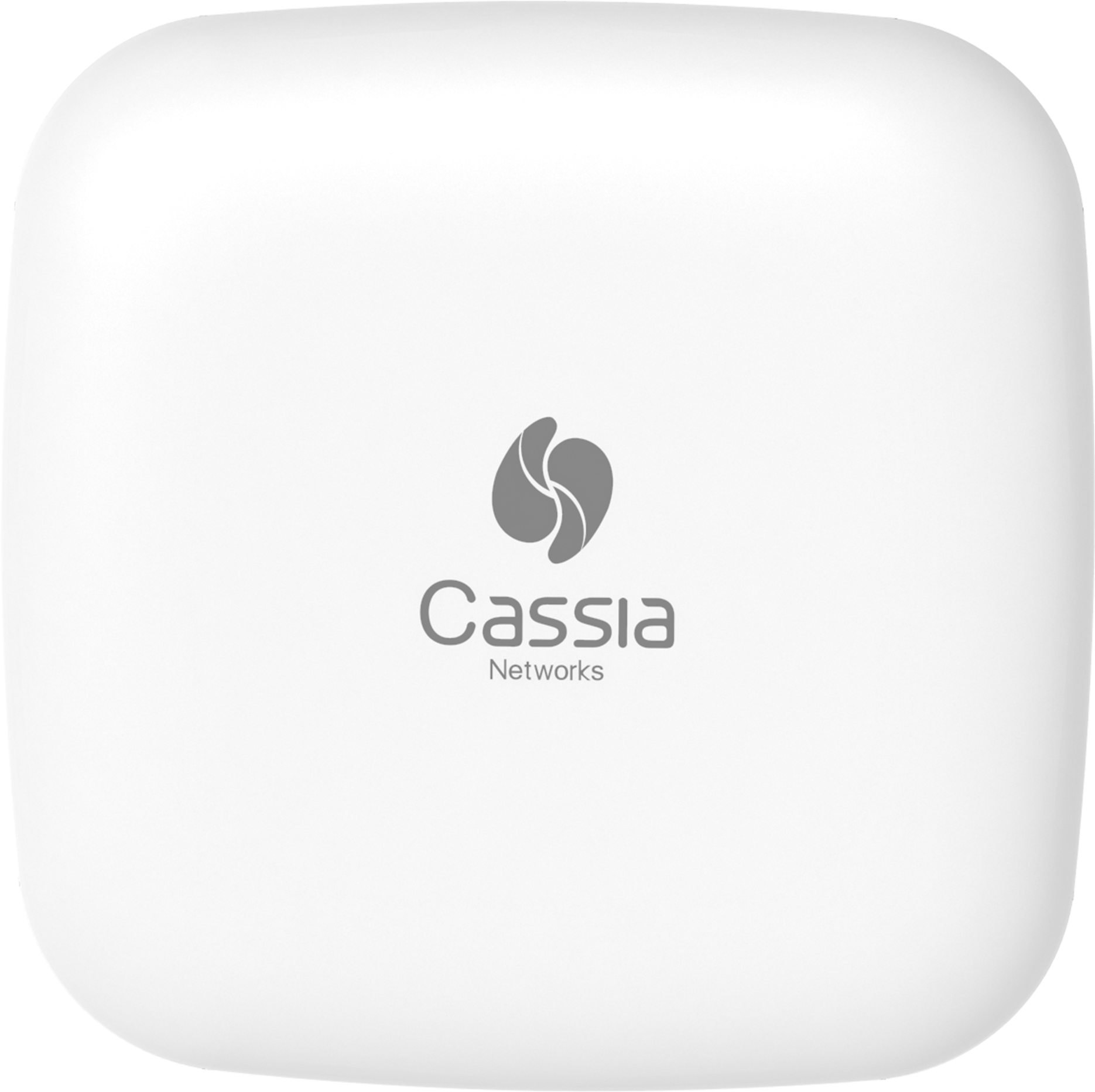
- Cassia Bluetooth Gateway (M1000) deployed across the care center (See the related M2000 and M1500 gateways)
- Enabled wide-area Bluetooth coverage without dense infrastructure
- Ensured reliable, real-time transmission of wearable device data
Connected Devices
- Wearable wristbands measuring:
- Heart rate
- Blood oxygen levels
Platform Capabilities
The customized smart healthcare platform included:
- Real-time patient health data monitoring
- Automated alerts for abnormal conditions
- Personalized care plan management
- Centralized health record system
- Secure data management and privacy protection
- Operational tools for facility management and resource allocation
How It Works
- Patients wear Bluetooth-enabled health monitoring devices
- Devices transmit data to nearby Cassia M1000 gateways
- Gateways aggregate and forward data to the healthcare platform
- Medical staff access real-time dashboards and alerts
- The system enables continuous monitoring, early intervention, and data-driven decision-making
RESULTS AND BENEFITS
Improved Health Monitoring
- Real-time, continuous data collection significantly improved data accuracy and completeness
- Comprehensive digital health records established for each patient
Enhanced Care Quality
- Medical staff can monitor patient conditions at any time
- Faster detection of abnormalities and timely interventions
- Improved precision in chronic disease management
Operational Efficiency Gains
- Reduced manual workload for staff
- Better resource allocation and care coordination
- Lower operational costs and improved service efficiency
Higher Patient Satisfaction
- More responsive care delivery
- Improved overall patient experience within the care center
Cassia’s Bluetooth IoT solution was critical in enabling this transformation:
- Long-range, scalable Bluetooth connectivity for full facility coverage
- Ability to connect and manage multiple devices simultaneously
- Reliable performance in healthcare environments
- Seamless integration with existing IT systems and cloud platforms
CONCLUSION
This deployment highlights how Cassia enables healthcare providers to move from manual, reactive care to intelligent, connected healthcare systems, delivering better outcomes for both patients and providers. By leveraging Cassia Bluetooth gateways and a smart healthcare platform, the hospital successfully transitioned to a proactive, data-driven care model. The project demonstrates how Bluetooth IoT can improve healthcare outcomes, increase operational efficiency, and enable scalable smart elderly care solutions.